Sherlock Shield: Coverage That stands Behind Your Audit









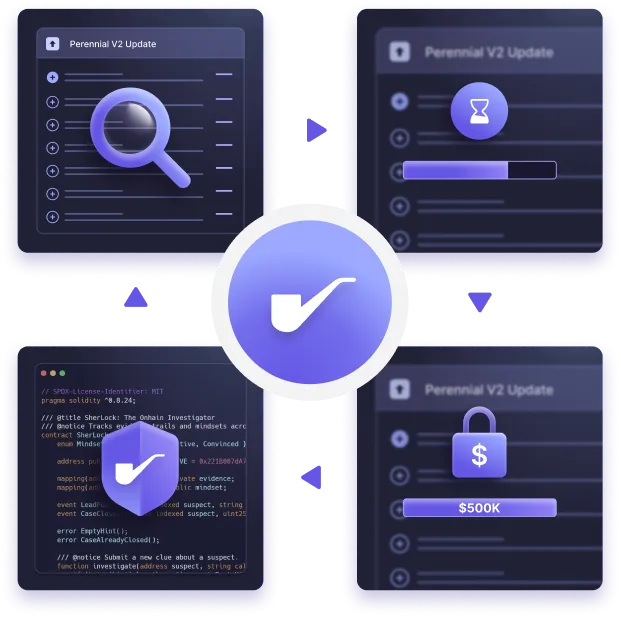
The Framework Behind Sherlock Shield
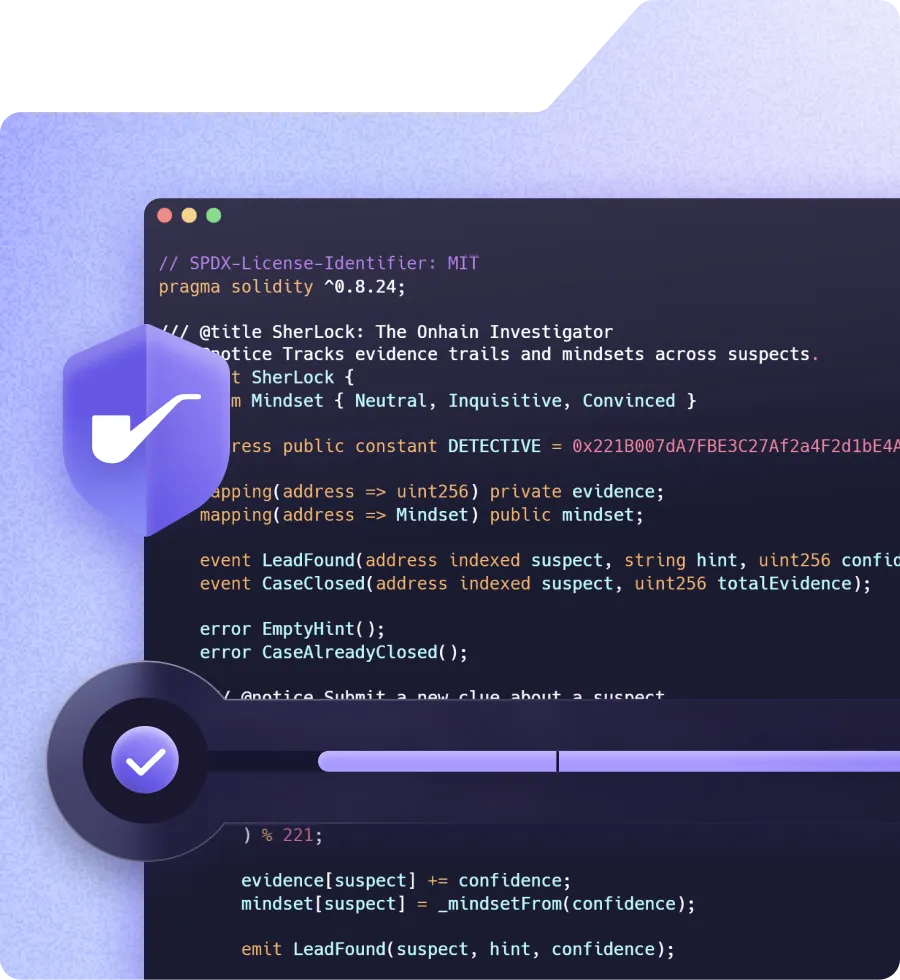
- Score-Based Coverage Limits: Coverage amounts are set directly from your Sherlock audit score and fix-review output.
- Time-Bound Protection Windows: Teams select how long Shield remains active after deployment; coverage applies only within that window.
- Scope-Restricted Contract Eligibility: Only audited and approved contracts qualify, defining a precise protection boundary.
- Structured Incident Review + Claims Process: Events are evaluated for scope and timing, with claims handled through a formal verification pipeline.
Financial coverage for Live code
The mechanics behind
Sherlock Shield
Financial Coverage That Moves
With Your Code
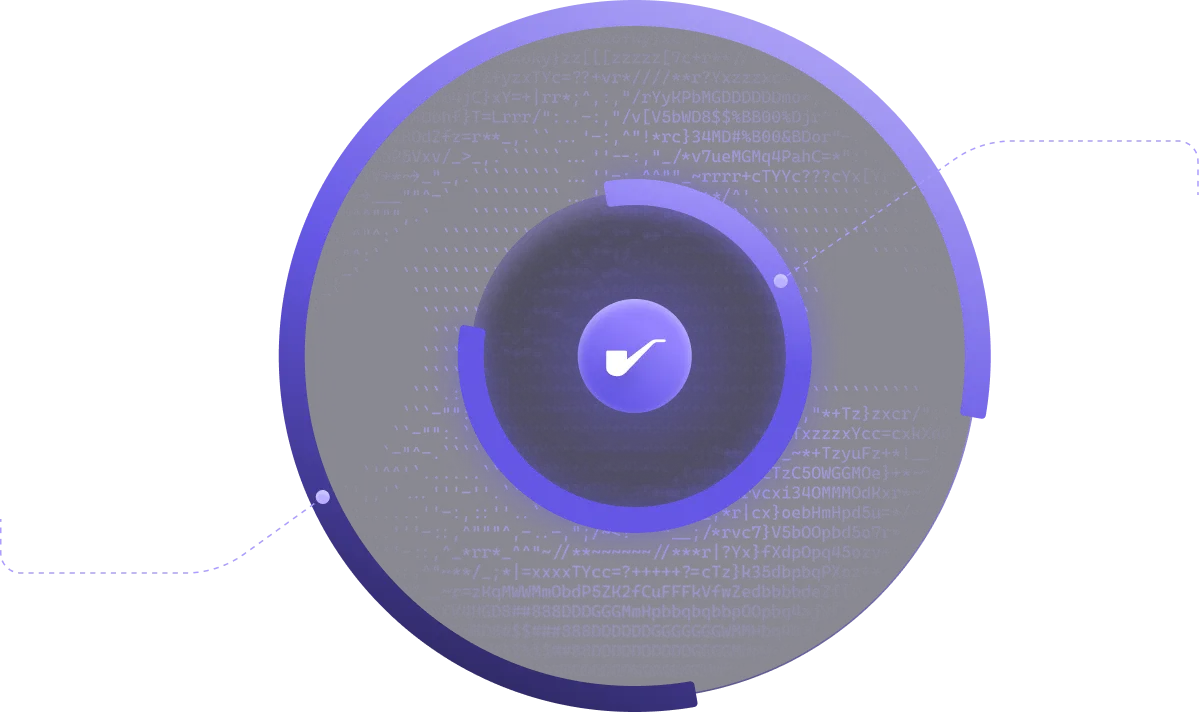
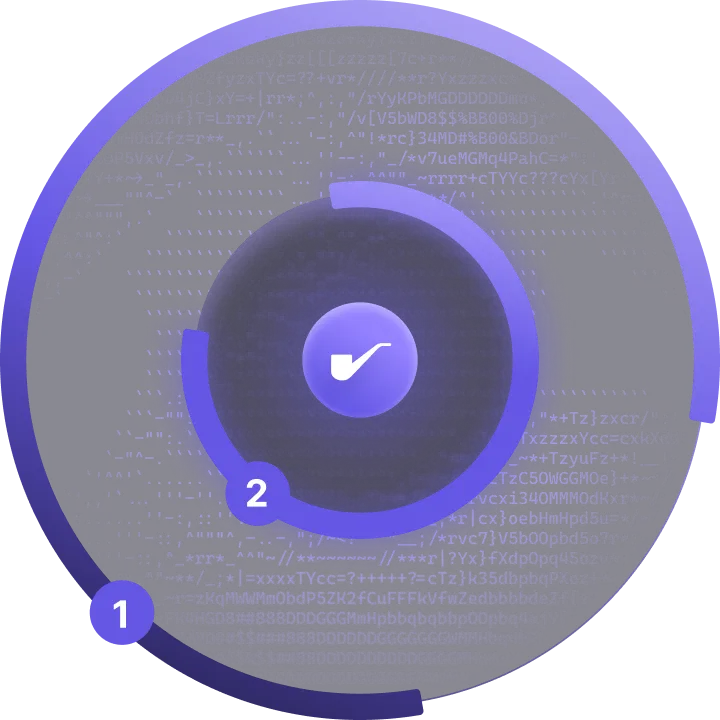
1. Coverage Layer: Sherlock Shield sets a coverage amount based on your audit results, giving your protocol a defined pool of financial protection as soon as it goes live. Your score translates directly into real coverage you can rely on during critical post-launch periods.
2. Active Protection Layer: As your protocol operates, Shield remains engaged. Coverage stays active for the full term you select, backing your audited contracts and offering protection during the moments when exploits carry the highest stakes.
Complete Lifecycle Security:
Development, audit, Post-Launch Protection
Security
Sherlock AI runs during development: reviewing code during the development cycle, flagging risky patterns & logic paths early so teams enter later stages with a cleaner, more stable codebase.
Collaborative audits and contests concentrate expert attention where it matters most, surfacing deeper issues before launch and reducing rework late in the process.
Security
The context built during development and audit carries forward - Live code stays under active scrutiny through bounties, and when issues emerge, teams respond clearly with no downtime.
